
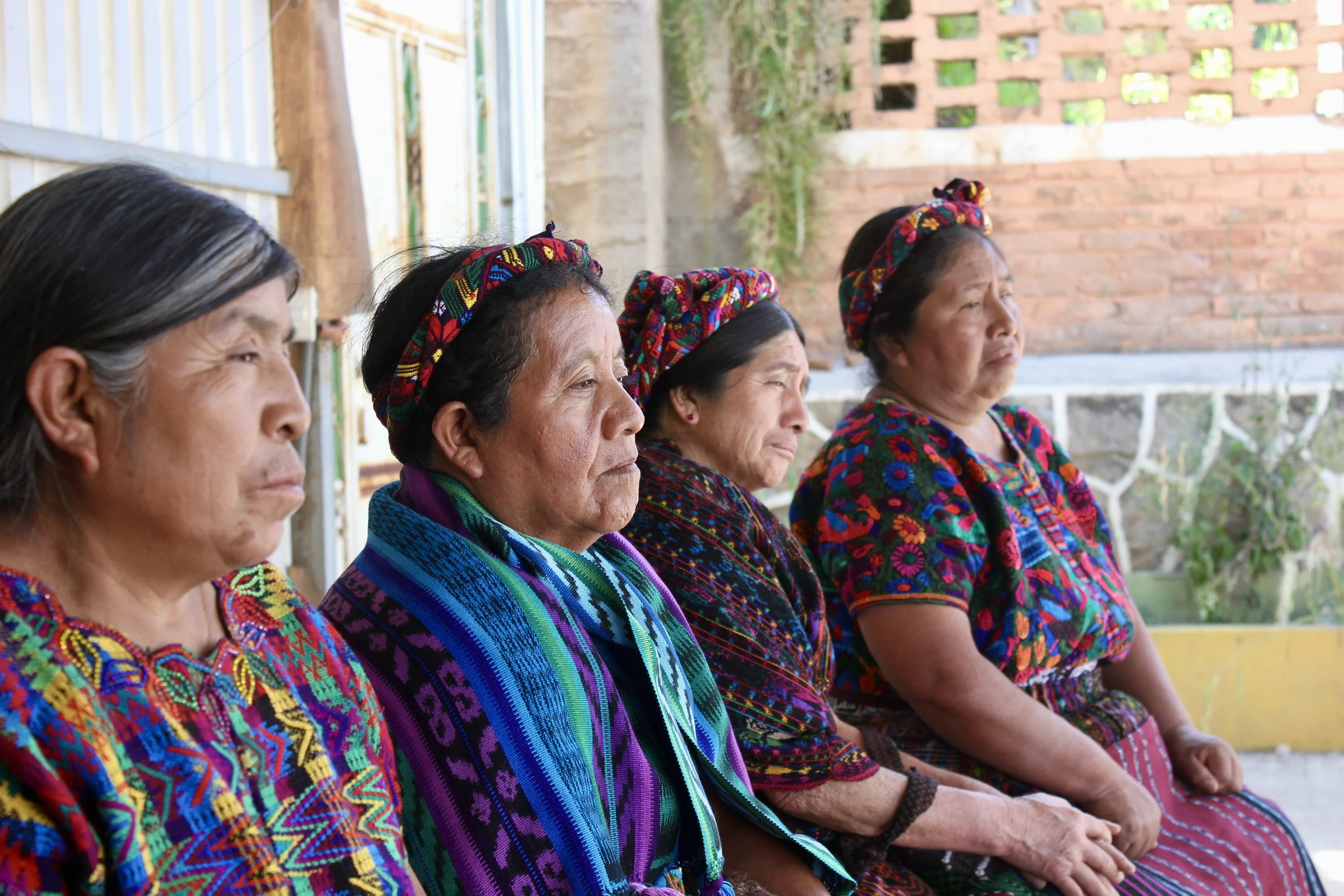
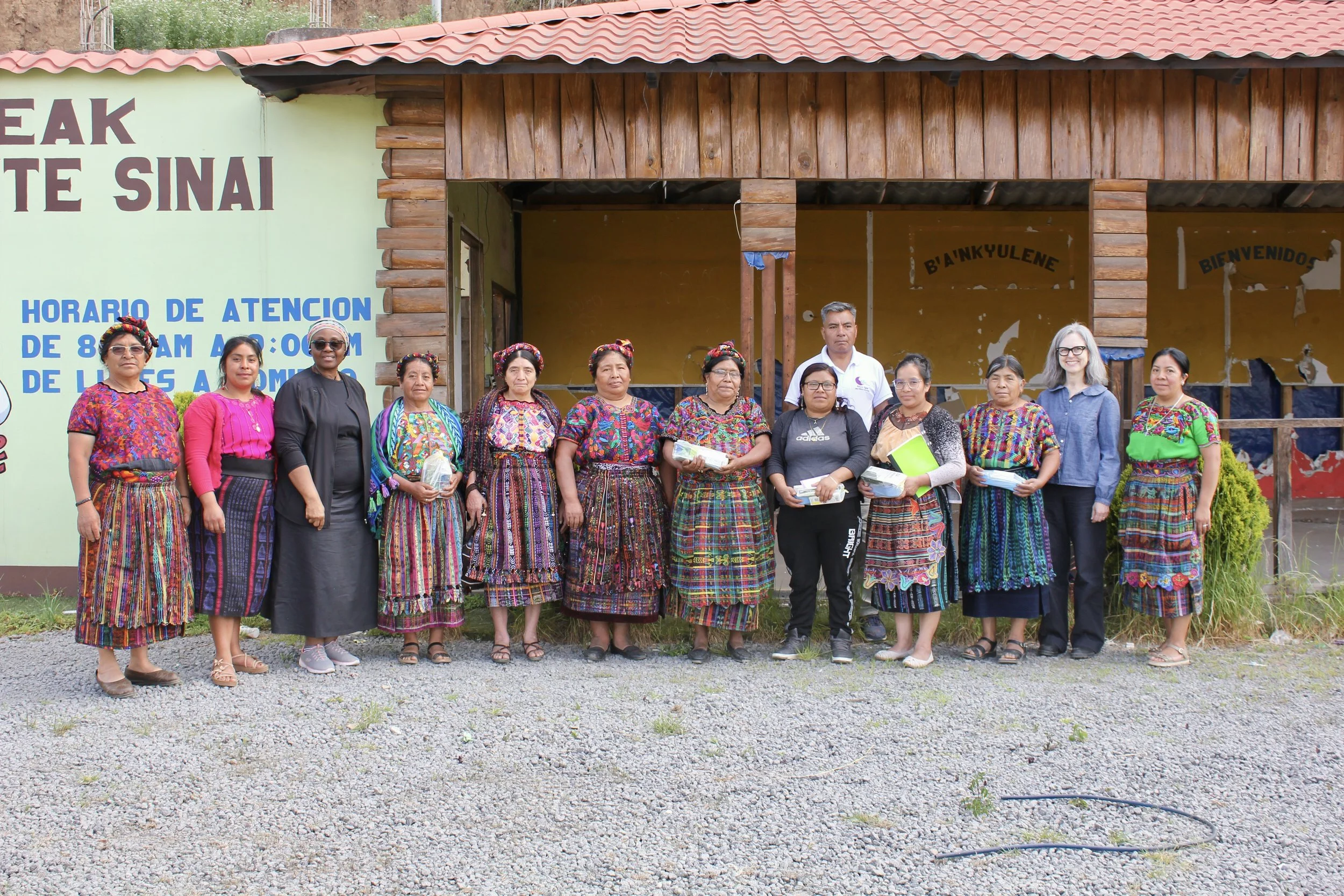
Indigenous Maya midwives lead maternal healthcare for over 115,000 people in the Mam region of Guatemala.
Naye Xjaw Maya Midwifery International builds the system that allows them to do it—safely, sustainably, and on their own terms.
WHY NAYE XJAW IS DIFFERENT
Many programs train Indigenous midwives.
We build the system that allows them to practice.
TYPICAL APPROACH
Training alone
External control
Short-term interventions
Unpaid labor
NAYE XJAW
Full system of care
Indigenous leadership
Long-term infrastructure
Paid, recognized workforce
Training without systems doesn’t save lives.
Systems do.
Our Mission
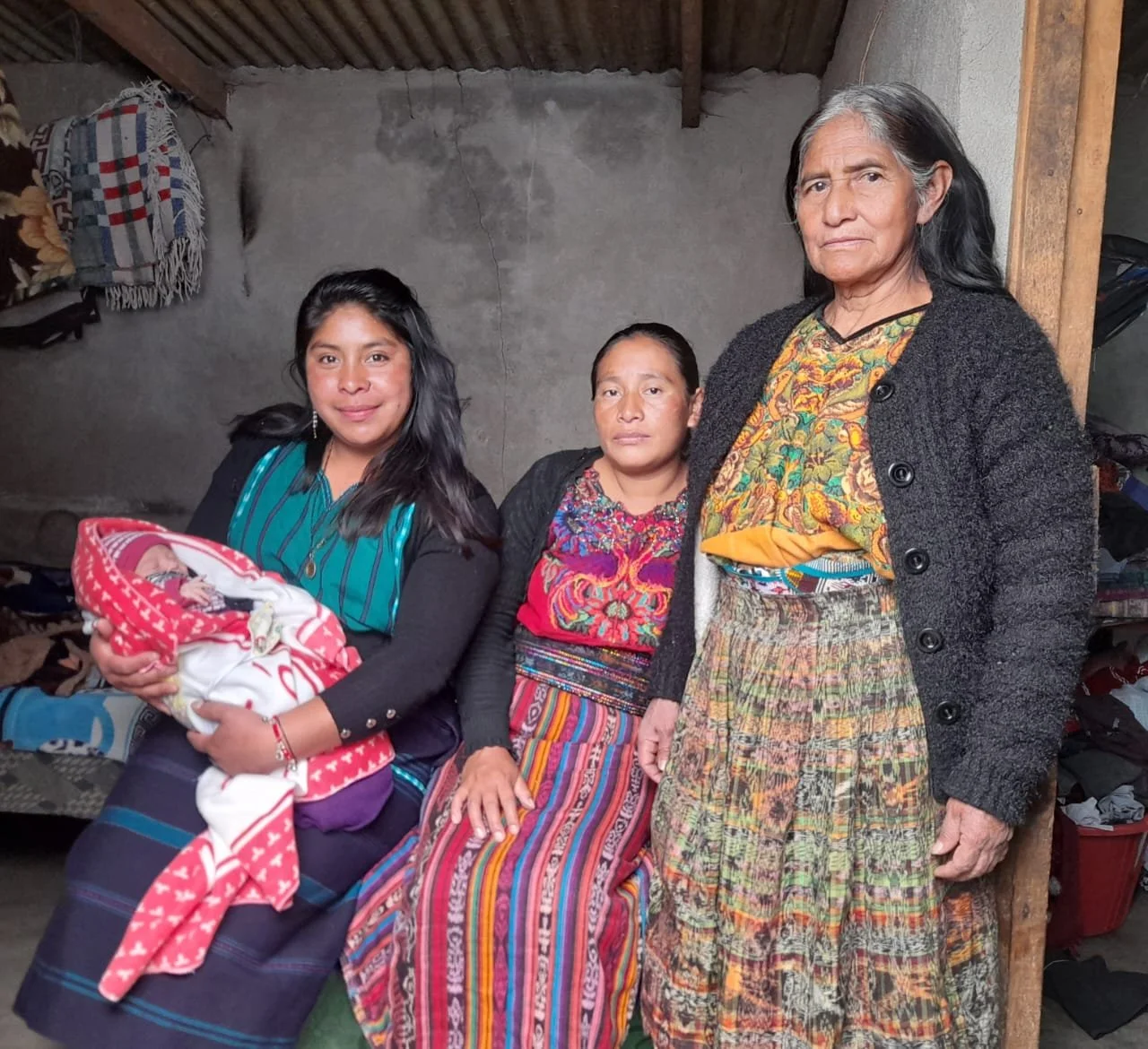
Naye Xjaw improves reproductive, maternal, newborn, and child health by preserving, developing, delivering, and promoting Indigenous Maya midwifery.
What this model achieves
115,000+
predominantly Indigenous Maya Mam residents with access to MCH services
OVER THE PAST 10 YEARS
30,000+
Prenatal consultations
50+
Community midwives trained on a monthly basis
2,500+
Births attended
45
Graduates from local Comadrona apprenticeship program
~100%
Postpartum follow up rate
WHO WE SERVE
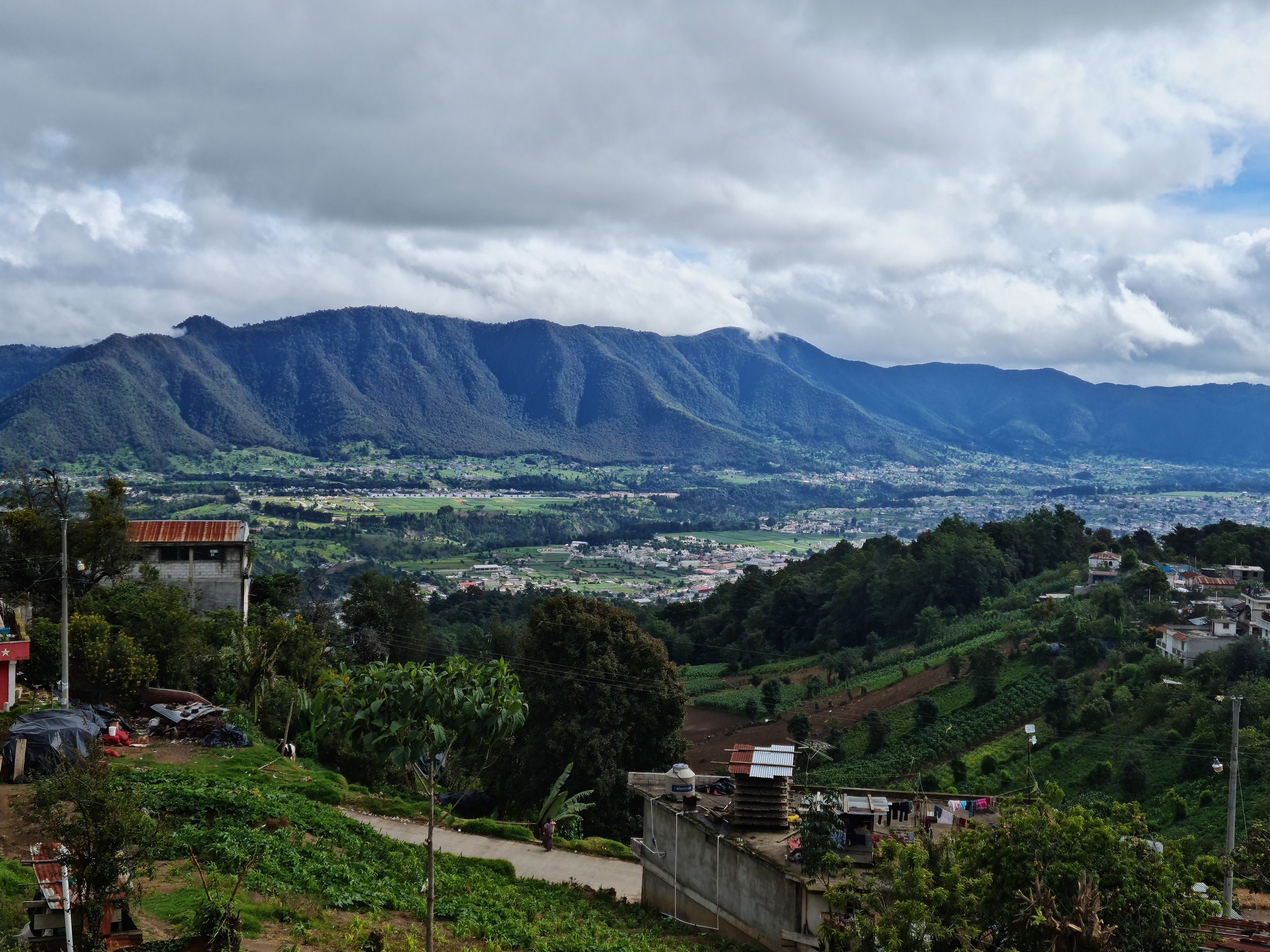
Naye Xjaw serves communities in Guatemala’s Western Highlands, where 92% of the population is Indigenous Maya Mam.
These are rural communities facing:
Geographic isolation
High poverty and malnutrition
Limited access to healthcare
Language barriers (Mam as primary language)
Maternal mortality double or triple the national average
THE REALITY
The system depends on Indigenous midwives—but does not support them.
Midwives attend most births but are often unpaid
Hospitals are inaccessible, unsafe, or culturally disconnected
Training programs fail when systems are not in place
Environmental degradation threatens medicinal plants and nutrition
Health, land, and culture are one system.
When one weakens, all are affected.
A Health System Built Around Midwives
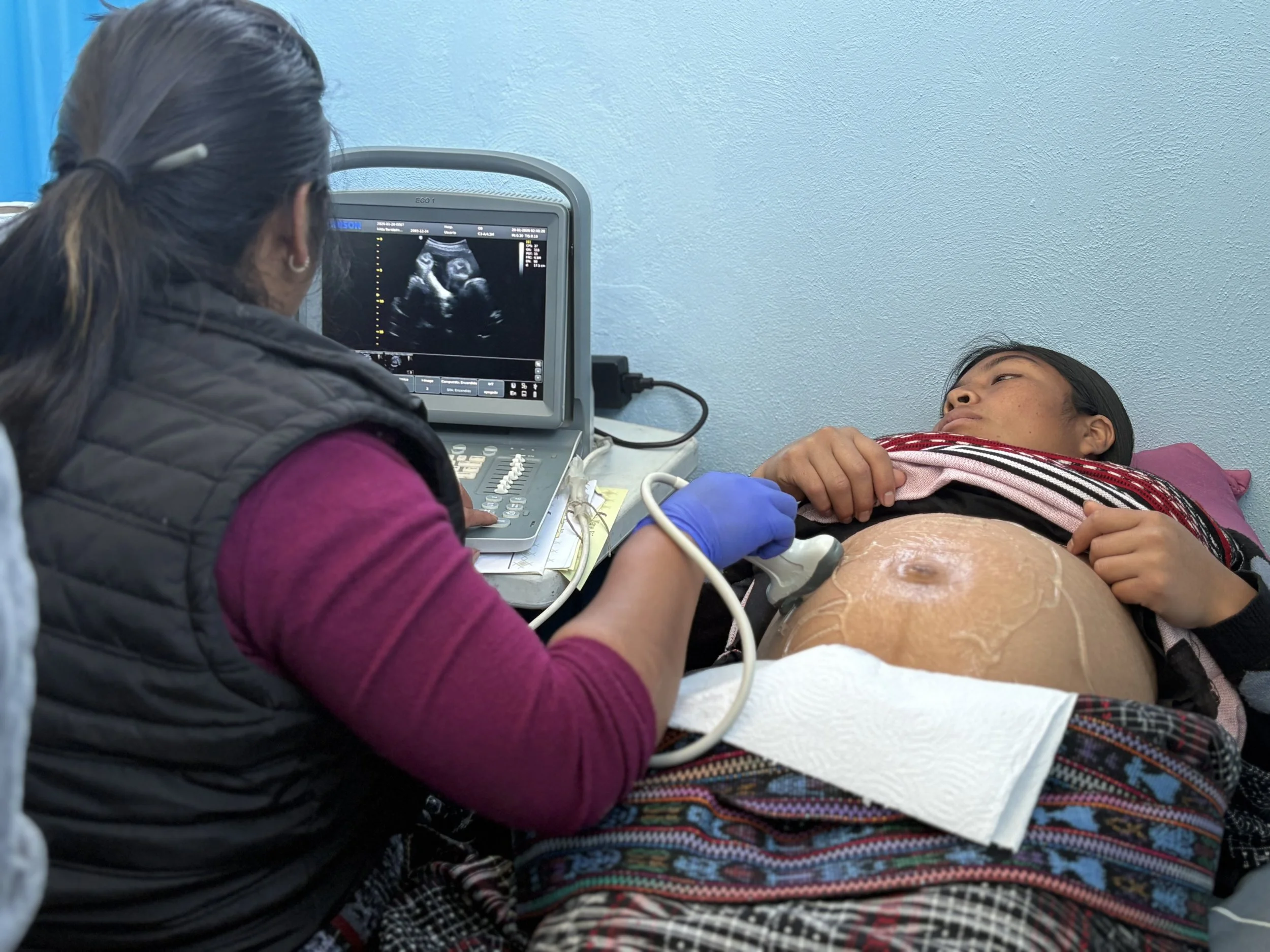
The Naye Xjaw Birth and Reproductive Health Center is the only facility in Guatemala where Indigenous Maya midwives are formally employed, compensated, and lead the full continuum of care.
From prenatal consultations to birth, postpartum care, and reproductive health services, midwives are recognized as primary healthcare providers—with full legal benefits and institutional support.
This is what dignified, community-led healthcare looks like.
Build with us
Help strengthen a model where Indigenous midwives lead, communities thrive, and maternal health systems are built to last.